09:00 - 09:10
Chair’s opening remarks
Presentation
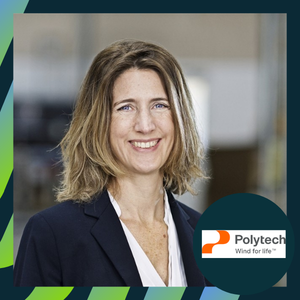
A warm welcome to all delegates followed by a thematic overview of the day.
09:10 - 09:40
KEYNOTE: SSE’s perspective on key topics for wind energy in Scotland
Keynote

09:40 - 10:00
CASE STUDY: Full-service Agreement: What To Do?
Case Study
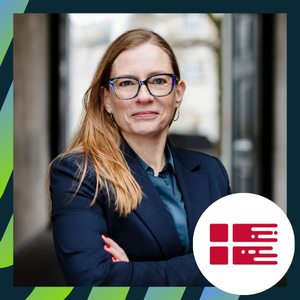
- Why should you choose a Full-Service Agreement (FSA)?
- What does best practice look like?
- How to track the progress, quality and documentation of repairs?
- Managing Warranty Claims Under an FSA
- End‑of‑FSA Strategy: Warranty Extension & Remediation
Q&A - Your chance to pose questions to the speaker
10:00 - 10:40
PANEL DISCUSSION: O&M risk-tolerance & asset value
Panel Discussion
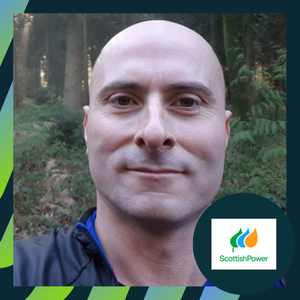
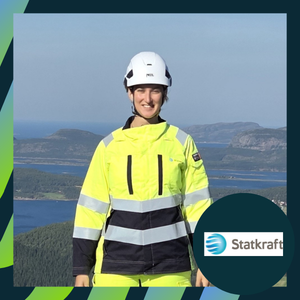
Learn key strategies to maximise your asset values and immediately apply them to your work:
- How to balance cost efficiency with long-term asset value
- Learn best budget measures for prioritising repairs and managing resource limits
- Offshore: Strategise to control rising costs and perform risk mitigation for large blade repairs
- How to establish OPEX costs for blades?
- Using data: How can automation help to make better predictions to maximise asset values?
Q&A - Engage with the speaker in a dedicated Q&A session
Moderator: Lene Hellstern, Chief Executive Officer, Wind Power LAB
11:10 - 11:40
PRESENTATION: Multi-Sensor Blade Monitoring: The Key to Advancing Early Damage Detection
Presentation
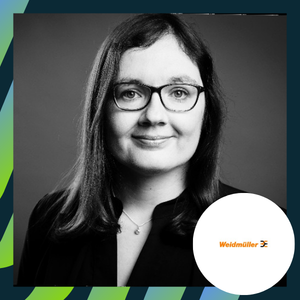
Wind‑turbine blades are highly complex composite structures where even small, early‑stage defects can rapidly propagate under operational loads. Traditional inspection approaches often fail to detect internal or evolving damage, increasing the likelihood of costly failures and unplanned downtime. Advanced multi‑sensor monitoring systems that combine acceleration, acoustic, and gyroscopic data enable improved detection of structural anomalies and provide significantly more comprehensive diagnostic insight by combining vibration measurements with blade‑load and torsion data.
Q&A - Your chance to pose questions to the speaker
11:40 - 11:20
PRESENTATION: From wind tunnel to wind farm: developing and demonstrating a next‑generation noise‑reduction solution
Presentation
- Technology development process
- Overview of measurement strategy and practical installation experience from the field
- Potential for future deployment
Discover a new technology and its initial, tangible test results. This presentation will show you how a successful noise mitigation strategy can reduce operational constraints, increase site profitability, and protect your long-term asset value.
12:20 - 13:05
DISCUSSION PANEL: Maximising blades performance by strategising blade repairs
Identifying common blade issues though inspection, testing and their impact to increase project efficiency
Repair vs. Replacement: What types of blade issues or damages should not be repaired?
Lifetime extension vs. remaining useful life (RUL) strategies
When repairs are no longer feasible: EoL and recycling solutions?
What role does technology and data analytics play in maximising blade performance?
Moderator: Matthew Malkin, Principal Engineer, DNV
14:05 - 14:35
PRESENTATION PANEL: Repairs done well: best innovations, techniques and timing
Presentation
Improving Quality and Consistency Across the Lifecycle for Large Composite Structures: How Automation and Immersive Tools Elevate Manufacturing and Repair
- Facilitating innovation across the lifecycle: an introduction to the Large Structures Innovation Centre (LSIC), where research and development spans engineering and advanced manufacturing production technologies, through‑life support, and end‑of‑life solutions.
- Automation case study: demonstrating how automation can streamline processes, reduce errors and increase repair throughput through rapid assessment and employing control for consistency and quality in repair.
- Factory‑to‑field capability: demonstrating potential for automation and immersive environments to bring manufacturing developments into in‑service environments.
Q&A - Time for your direct questions and insights
14:35 - 15:00
PRESENTATION: Carbon materials in blades – operational insights for wind farm owners
Presentation
- What do operators need to understand about carbon blades to maximise performance and manage risk?
- What are the most critical operational challenges and their impact on downtime and cost?
- How should inspection, maintenance, and asset management strategies evolve for carbon-based blades?
Q&A - Your opportunity to ask questions directly to the speaker
15:00 - 15:45
PANEL DISCUSSION: How do you know that repairs were done well? Sharing experiences and best practices
Panel Discussion
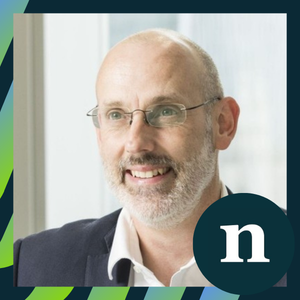
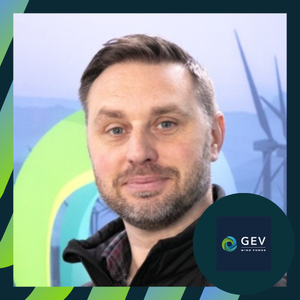
What is a good repair?
What is the best way of marking?
Innovative repair techniques for best results to help to improve LPS
lightning protection. Are there specific protection and repair methods that work best with carbon blades?
Actionable suggestions to perform pultrusion repairs suggestions
Q&A - Engage fully to ensure you gather all the valuable information
Moderator: Geoff Hoffheinz, Managing Director, Chief Engineer, Nuveen Infrastructure Clean Energy
Roundtable discussions
16:20 - 17:00
Addressing the complexity of category 5 blade repairs
Roundtable
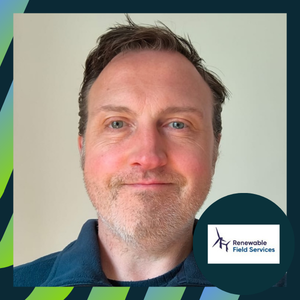
Root Bushing debonding issues & rotor imbalance issues
Roundtable
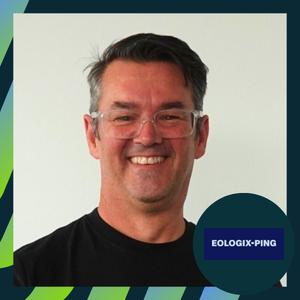
What can be done?
Rotor imbalance issues
What happens when they are unbalanced?
Inspection insights & NDT techniques
Roundtable

Inspecting unknown damage and non-traditional repairs
Roundtable
09:30 - 09:35
Chair’s opening remarks
Presentation
09:35 - 10:20
PANEL DISCUSSION and PARTICIPANTS FORUM: IEC PT 61400-32 Blade O&M standards - what progress has been made?
Panel Discussion
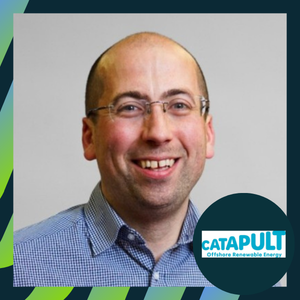
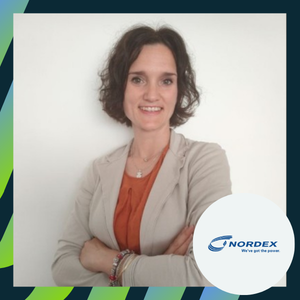
This discussion is a great opportunity for the industry to have an open and productive conversation on how standards and working together can improve and help the wind industry to mature and prosper.
How will this advance the industry, and can it be enforced?
Producers, R&D, and operators - how to work together?
Finding together best solutions for addressing common damage issues
Q&A - Contribute your perspective and ask questions to help you and the industry perform better!
Moderator: Matthew Hadden, Chief Engineer, Blades, Offshore Renewable Energy Catapult
10:50 - 11:20
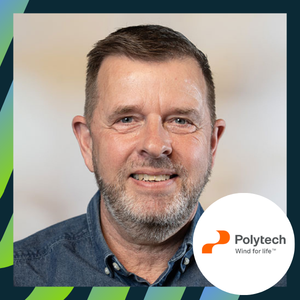
PRESENTATION: The Importance of LEP Strategy: Leveraging Specialised Knowledge from 80,000+ Protected Blades
Presentation
Q&A - Direct questions and insights from the audience
11:20 - 11:45
PRESENTATION: Physical Testing for Blade Life Extension
Presentation
Q&A - Contribute your perspective and ask questions to help you and the industry perform better!
11:45 - 12:10
PRESENTATION: Reblading for Efficiency Improvement and Lifetime Extension in Wind Turbines
Presentation
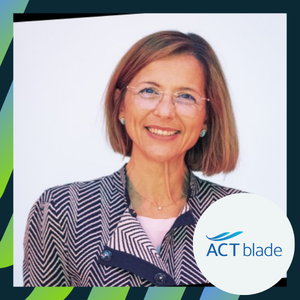
- Europe’s wind sector is slowing due to permitting delays and grid constraints. Enhancing existing assets has become the most effective way to increase renewable generation. Reblading—replacing the existing rotor with longer, lightweight blades—offers a rapid, low‑risk route to unlock additional energy production.
- Reblading with new , longer and lighter blades, enables to increase the annual energy production without modifying towers, foundations, drivetrains or grid connection. This aligns strongly with net‑zero objectives, maximising energy per tonne of material and per km of grid capacity.
12:10 - 12:30
PRESENTATION: Robotics inspection techniques: How are they progressing and what comes next?
Presentation
Q&A - Your opportunity to ask questions directly to the speaker
12:30 - 12:50
CASE STUDY: Meeting Offshore and Onshore Blade Recycling Needs - Inverness Port
Case Study
- What role does Inverness port's strategic location play in provide recycling access for both onshore and onshore wind farms
- Accelerated Development: Using a model factory to scale solutions, supported by The Crown Estate Supply Chain Accelerator
- Innovation: Semi-automatic cutting is deployed at quayside
- Environmental Impact: Low-CO2 processes are employed to successfully divert waste from incineration and cement processing.
13:40 - 14:20
PRESENTATION: Overview of the SusWIND programme
SusWIND is a collaborative joint industry programme focused on developing sustainable materials, circular design approaches, and end‑of‑life solutions for wind turbine blades.
14:20 - 15:00
Final Coffee Talk
To close the event, we’ll gather for an informal discussion in the exhibition area. Grab a cup of coffee, generously sponsored by Socomore, join the conversation and exchange your final thoughts in a relaxed setting.
DISCUSSION PANEL: Blade late‑life and end‑of‑life challenges
Challenges/barriers and enablers to a functioning, circular supply chain for blades in the UK
Decision making at late life/EoL (reuse, repurpose, recycle) and how economics play a role
Regulations from decommissioning to recycled product
Market demand for recycled blade products
Q&A - Direct questions and insights from the audience
Moderator: Jonathan Fuller, Principal Research Engineer, NCC